

Understanding the psychology behind gambling Why do we take risks
Understanding the psychology behind gambling Why do we take risks
The Allure of Risk-Taking
Risk-taking is a fundamental aspect of human behavior, deeply embedded in our psychological makeup. From a young age, individuals are often drawn to activities that offer an adrenaline rush, whether it’s climbing trees or playing games. This attraction to risk is magnified in gambling, where the potential for high rewards tantalizes players. The thrill of uncertainty can evoke a powerful emotional response, making the experience addictive for many. For those exploring online options, VeryWell Casino offers a range of games that can amplify the thrill.
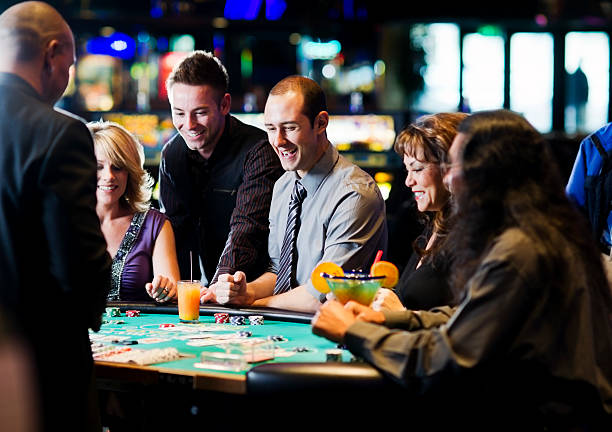
Psychologically, risk-taking can be linked to various personality traits such as sensation-seeking and impulsivity. Sensation-seekers are individuals who thrive on new experiences and excitement, often disregarding potential consequences. This trait is especially prevalent among gamblers, who seek the highs associated with winning while downplaying the risks involved. Moreover, impulsive individuals may gamble without fully considering their decisions, leading to risky behavior and potential financial loss.
The brain’s reward system plays a crucial role in why people take risks, especially in gambling. When individuals experience a win, the brain releases dopamine, a neurotransmitter associated with pleasure and reward. This chemical reaction reinforces the behavior, making the act of gambling feel rewarding despite the inherent risks. Thus, the psychological dynamics of risk-taking in gambling create a cycle that can lead to compulsive behavior, leaving many individuals caught in a perpetual chase for the next big win.
The Role of Cognitive Biases
Cognitive biases significantly influence gambling behavior, often leading individuals to make irrational decisions. One common bias is the illusion of control, where gamblers believe they can influence the outcome of a game, despite the odds being purely random. This belief can lead to increased risk-taking, as players feel empowered to gamble more heavily. Consequently, they may chase losses, believing that they can turn their luck around with one more bet.
Another bias prevalent in gambling is the gambler’s fallacy, which is the belief that past events affect future probabilities. For instance, if a player observes a particular slot machine hitting a jackpot, they might assume that it is “due” for another win soon. This false belief can lead to increased betting, despite the fact that each spin is independent and the odds remain constant. Such biases can distort reality, encouraging gamblers to take risks that they would typically avoid.
The availability heuristic is another cognitive bias that impacts how people perceive gambling risks. Individuals tend to overestimate the frequency of memorable events, such as big wins in casinos, while underestimating less exciting outcomes, like losses. This distorted perception can skew their judgment and make gambling seem more favorable than it truly is, leading to further engagement in risky betting behavior. Understanding these cognitive biases can provide insight into why people are often drawn to gambling despite its inherent dangers.
Emotional Factors in Gambling
Emotions play a significant role in the decision to gamble and the associated risk-taking behaviors. For many, gambling serves as an escape mechanism, allowing individuals to momentarily forget their worries or stress. The emotional high from gambling can temporarily alleviate feelings of sadness or anxiety, reinforcing the desire to engage in the activity again. This emotional connection to gambling can create a powerful pull, making it challenging for individuals to resist placing bets.
Moreover, the relationship between emotions and gambling can lead to a vicious cycle. A player experiencing a losing streak might feel frustration or disappointment, prompting them to gamble more in an effort to regain lost money. This emotional rollercoaster can cloud judgment, leading to further reckless decisions and increased financial risk. Understanding this emotional dimension is crucial for addressing gambling addiction and promoting healthier behaviors.
For many, social interactions also play a role in their gambling decisions. Playing with friends or in a social setting can enhance the experience, making it more enjoyable and less risky in their perception. The camaraderie and shared excitement can mask the potential dangers of gambling, encouraging individuals to take risks they would typically avoid in isolation. This social aspect highlights the complex interplay between emotions, social dynamics, and gambling behavior.
Debunking Common Gambling Myths
Gambling is often shrouded in myths that can influence how individuals approach the activity. One prevalent myth is the idea that certain games are “hot” or “cold,” leading players to believe that streaks in outcomes will continue. This belief can encourage riskier betting and can create a false sense of predictability, misguiding players about the randomness of games. By debunking these myths, individuals can gain a clearer understanding of the inherent risks involved in gambling.
Another common myth is the perception that casinos have their own system of “cheating” players, leading them to lose. In reality, casinos operate under strict regulations, and the odds are typically stacked against the player. Understanding the mathematical probabilities behind games can help individuals make more informed choices and better appreciate the risks involved. This knowledge can help mitigate the emotional highs and lows associated with gambling.
Finally, the myth that gambling can be a reliable source of income contributes to risky behavior. Some believe that skillful betting or strategy can yield consistent profits. In truth, while some games may involve elements of skill, the vast majority of gambling activities are based purely on chance. Recognizing this reality can encourage players to view gambling as a form of entertainment rather than a viable financial strategy, ultimately promoting safer gambling habits.

Discovering Verywell Casino
Verywell Casino exemplifies a secure and user-friendly environment for those interested in online gaming. This UKGC-licensed platform provides a diverse range of games, including slots, table games, and live dealer options from well-known software providers. It caters to both seasoned players and newcomers, ensuring that everyone can find an enjoyable experience. The emphasis on player safety and regulatory compliance sets a high standard in the online gambling industry.
In addition to its game offerings, Verywell Casino provides attractive bonuses for new players and ongoing promotions to keep the excitement alive. The welcome bonus of up to £200 plus 50 free spins serves as a significant incentive for new users, allowing them to explore the platform with a financial boost. Fast withdrawal processing further enhances the user experience, enabling players to enjoy their winnings quickly and efficiently.
Overall, Verywell Casino is committed to creating an engaging atmosphere where responsible gambling is prioritized. By offering a trustworthy platform, players can enjoy their gaming experience while being mindful of the inherent risks involved. As the landscape of online gambling continues to evolve, sites like Verywell Casino remain dedicated to promoting player safety and satisfaction, helping individuals make informed choices in their gaming journeys.