

The Evolution of Real-Time Table Gaming
Experience Real Casino Action With Live Dealer Games Online
Have you ever wondered what it feels like to play casino games with a real human dealer from the comfort of your home? A live dealer casino uses high-definition video streaming to connect you directly with a professional croupier managing physical tables, chips, and cards in a dedicated studio. You place bets through an on-screen interface while watching the action unfold in real time, allowing you to interact via chat. This hybrid format delivers the authentic atmosphere of a brick-and-mortar venue with the convenience of online play.
The Evolution of Real-Time Table Gaming
The journey of real-time table gaming in live dealer casinos started with basic video feeds of a single blackjack table. Today, it uses multiple camera angles, optical character recognition for instant bet settlement, and dealer-touch displays that let you see virtual card values. The practical evolution is seamlessness: you can now adjust bet sizes mid-round via clickable overlays, while high-speed streaming and dedicated pit layouts ensure low latency even during peak hours. For a better experience, choose games with multi-camera streams and customizable speed settings, as these directly reduce waiting and improve strategic flow.
How Streaming Technology Revolutionized Home Play
Streaming technology has transformed home play by enabling ultra-low latency video feeds that mirror the pace of a physical casino floor. High-definition cameras now capture every card shuffle and roulette spin from multiple angles, letting you interact with human dealers through live chat without buffering delays. This direct, real-time connection erases the distance between your living room and the felt table, delivering authentic social interaction that was previously impossible outside a brick-and-mortar venue. The seamless integration of optical character recognition instantly displays game data on your screen, making complex bet tracking feel instantaneous and intuitive.
From Brick-and-Mortar to Your Living Room Screen
The transition from brick-and-mortar to your living room screen hinges on the transmission of authentic tactile cues. Physical dealer presence is replicated via multiple camera angles that capture card shuffles and chip movements in real time, eliminating the need for Random Number Generators. The user’s screen becomes a surrogate table felt, where live video streams replace the physical view of the dealer. You interact by clicking digital buttons to place chips directly onto the virtual felt, while the dealer physically handles your bet. This setup removes travel time and dress codes, yet preserves the spatial flow of a real game round through continuous, low-latency streaming.
| Brick-and-Mortar Touchpoint | Living Room Screen Translation |
| Dealer hand gestures | Real-time video feed on your display |
| Physical chip stacking | Digital chip icons placed via mouse or tap |
| Game table boundary | Screen bezel framing the live stream |
Key Technology Behind Interactive Dealer Sessions
The magic of live dealer casino hinges on real-time video streaming, using multiple HD cameras to capture the dealer’s every move from multiple angles. Optical Character Recognition (OCR) technology then instantly converts physical card values and roulette ball positions into digital data, syncing this with your on-screen interface. A low-latency stream, often via WebRTC, ensures your bets and the dealer’s actions feel instant, while a dedicated chat bridge lets you talk to the dealer without lag. This seamless fusion of studio hardware and software creates the immersive, true-to-life session you experience.
Optical Character Recognition and Game Integrity
Optical Character Recognition (OCR) software translates the physical cards and roulette outcomes from the live studio into real-time digital data. This data is immediately cross-referenced to verify that each dealt card and spin result matches the game’s predefined logic. For game integrity verification, any discrepancy between the OCR reading and the expected outcome triggers an automatic pause, preventing payout errors or fraud. The system also logs every scanned result, creating an audit trail that players can theoretically review. This process ensures that the digitized record is identical to the physical action, making OCR a critical guardian of fairness in every session.
Studio Design: Lighting, Cameras, and Immersion
The studio’s lighting array is calibrated to eliminate harsh shadows on the felt and dealer’s hands, ensuring card ranks and chip stacks remain perfectly visible on stream. Multiple HD cameras capture dedicated angles—overhead for the wheel or table layout, close-ups for card reveals, and a wide shot for spatial context. This multi-camera setup, paired with professional-grade key lighting, creates realistic table immersion by mimicking the visual clarity of a physical casino floor, making remote play feel physically present without visual distortion or lag.
Latency Solutions for Smooth Player-Dealer Interaction
Low latency is critical for seamless player-dealer interaction, achieved through strategically placed edge servers that process video feeds near the user. By compressing HD streams with advanced codecs, operators shave off milliseconds of delay, ensuring bets are placed and received in real-time. This synchronizes the dealer’s actions with player commands, eliminating the frustrating lag that breaks immersion. Prioritizing network routes via dedicated fiber lines further stabilizes the connection, making every spin or card reveal feel instantaneous. The result is a responsive, authentic environment where real-time dealer responsiveness feels as natural as sitting at a physical table.
Popular Game Variants You Can Play Now
For popular game variants you can play now, live dealer casinos offer Lightning Roulette, which adds random multipliers of up to 500x to lucky numbers, dramatically shifting payout odds. In blackjack, Infinite Blackjack allows unlimited players per hand, with optional side bets like “Any Pair” and “21+3” for instant wins. For baccarat, Speed Baccarat reduces round times to under 15 seconds while maintaining standard drawing rules.
Prioritize variants with low house edges on side bets; the “21+3” bet in Infinite Blackjack carries a 3.3% house edge versus 0.5% on main hands.
Many tables also feature Dream Catcher or Monopoly Live, which spin vertical wheels for cash prizes and bonus rounds.
Blackjack with Side Bets and Automatic Card Shuffling
In live dealer casinos, Blackjack with Side Bets and Automatic Card Shuffling accelerates play by eliminating manual shuffle downtime, while introducing bets like Perfect Pairs or 21+3 directly on your felt. The automatic shuffler ensures every hand uses a freshly randomized shoe, preventing card counting across rounds. You must adapt to a continuous stream of dealt hands, deciding on optional side wagers after seeing your initial two cards. The shuffle machine’s speed demands fast decision-making for splitting or doubling, as the dealer immediately removes used cards. Unlike pitch games, you never see discards; focus solely on your hand’s potential against the dealer’s upcard.
Roulette Wheels with Multiple Camera Angles
In live dealer casino games, roulette wheels with multiple camera angles provide a comprehensive view of the action. A dedicated overhead camera captures the wheel spin and ball drop, while a close-up lens focuses on the ball’s final bounce into the pocket. A third angle often shows the dealer’s hands and the betting layout simultaneously. This setup eliminates visual blind spots, allowing you to confirm the win in real-time. You can switch between these views on your screen, offering complete transparency. Enhanced ball tracking through multi-angle roulette ensures no moment is missed, making the experience feel closer to a brick-and-mortar table.
Roulette wheels with multiple camera angles let you watch the spin, ball drop, and pocket landing from separate, user-switchable views for full transparency.
Baccarat Punto Banco and Speed Versions
Baccarat Punto Banco forms the core of most live casinos, where the banker and player hands are predetermined by a fixed set of drawing rules, removing player choice from the outcome. The live speed baccarat action accelerates this format by reducing the dealing interval and betting window, often completing rounds in under 15 seconds. This variant leverages the same streamlined rules but increases round frequency, appealing to players who prioritize higher hand volumes over traditional paced engagement. Both versions maintain identical payout structures, with speed variants merely optimizing the rhythm for faster decision cycles.
Baccarat Punto Banco offers a rigid rule set; speed versions compress the same experience into rapid, high-frequency rounds for efficient play.
Game Show-Style Titles: Monopoly Live and Dream Catcher
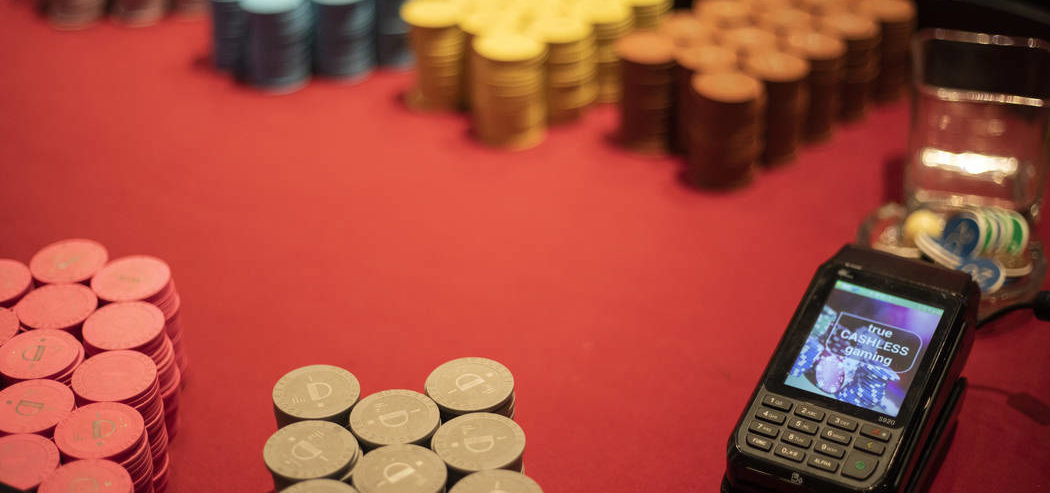
Game show-style titles like Monopoly Live and Dream Catcher transform traditional live dealer casino play into interactive host-led experiences. In Monopoly Live, a spinning wheel and augmented reality board determine bonus rounds where players advance a token for multiplied prizes. Dream Catcher uses a large vertical wheel with numbered segments and 2x/7x multiplier spaces, relying on simple predictions. Both games stream from dedicated studios with a live presenter, allowing players to place bets on outcomes without complex strategy.
- Monopoly Live includes a 3D bonus round with a virtual Mr. Monopoly moving around a board.
- Dream Catcher features a single spin mechanic with high multipliers randomly appearing on the wheel.
- Both games offer side bets on specific numbers or bonus segments for increased payout potential.
Selecting a Trustworthy Platform for Authentic Play

When you’re seeking that rush of a real casino floor from your living room, selecting a trustworthy platform for authentic play in a live dealer casino starts with scrutinizing the video stream itself. I watch for consistent, crystal-clear HD feeds with no awkward cuts or lag that could mask a pre-recorded loop. The dealer’s movements—croupier spinning the roulette wheel or shuffling physical cards—must feel natural, not robotic. I always test the chat function first; a trustworthy platform lets me talk directly to the dealer in real time, verifying the human connection. The true test comes when I ask the dealer to adjust the camera angle or hold a card to the lens—any hesitation or denial is a red flag that the experience isn’t genuinely live, so I walk away immediately.
Licensing and Regulatory Bodies to Look For
When evaluating a live dealer casino, prioritize platforms displaying seals from jurisdictions like the UK Gambling Commission or the Malta Gaming Authority, as these bodies enforce rigorous oversight. Look for the specific license number and verify it on the regulator’s official site to confirm authenticity. A trustworthy platform for authentic play will also show approval from the Gibraltar Gambling Commissioner or the Alderney Gambling Control Commission, which mandate provably fair card shuffling and live stream integrity. Avoid any site that hides its regulatory credentials or only mentions obscure, unverifiable licenses.
Software Providers Known for Fair Streams
Leading providers like Evolution Gaming and Playtech engineer fair stream integrity through mandatory optical character recognition (OCR) audits and multi-angle camera verification. Their proprietary software records every card shuffle and wheel spin at 60+ fps, allowing real-time cross-referencing against a certified random number generator. A key question emerges: How can I verify a provider’s stream is authentic? Look for an active “Game History” tab that matches dealer moves with timestamped OCR logs—this eliminates the possibility of pre-recorded loops or edited footage. Without these forensic markers, the stream lacks provable fairness.
Reading User Reviews and Testing RNG Certification
To verify a platform’s integrity, scrutinize user reviews specifically for reports of live dealer game fairness and payout consistency, as these often reveal subtle manipulation. Simultaneously, demand access to the RNG certification documentation for the card shuffling and wheel mechanisms used in the live studio, not just the virtual games. Cross-reference the listed certifying body with the software provider’s official records to confirm a live, valid license is active for that specific RNG system, ensuring the physical-deck outcomes are independently verified against algorithmic interference.
Understanding Betting Limits and Table Minimums
In a live dealer casino, mastering betting limits and table minimums is essential for managing your bankroll effectively. Each table displays clear minimum and maximum bet requirements, which directly influence your session strategy. Low minimum tables allow you to extend play and learn dealer rhythms, while high-limit tables demand disciplined bankroll allocation. Always confirm the posted limits before joining, as they dictate acceptable wager sizes for each round. Choosing a table that matches your budget prevents forced oversized bets, ensuring you maintain control over your spending and maximize your time at the felt.
VIP Tables vs. Low-Stakes Options for Casual Players
For casual players, choosing between VIP tables and low-stakes options in a live dealer casino boils down to atmosphere versus accessibility. Low-stakes tables offer a relaxed entry point, where the financial risk is minimal, allowing you to absorb the game’s pace without pressure. In contrast, VIP tables demand higher minimum bets but deliver an exclusive, high-energy environment with dedicated dealers and a more serious crowd. The thrill of a VIP seat can sharpen your focus, yet it requires a bankroll that tolerates rapid swings. Your decision should align with your budget and desired level of engagement, not ego. Choosing the right table pace is the key to sustainable enjoyment, as low-stakes suits social play while VIP rewards competitive intensity.
VIP tables offer prestige and higher stakes for seasoned players, but low-stakes options provide casual users with a comfortable, risk-controlled introduction to live dealer action.
How Timers and Betting Windows Affect Strategy
In live dealer games, the timer and betting window directly shape your approach. A short window forces you to pre-plan your wager, meaning you can’t wait for a late read on the table. This is why quick decision-making under pressure becomes your real skill—hesitation costs you a round. For example, in Blackjack, you must decide to hit or stand before the dealer starts dealing; a missed reaction is a loss. The timer also prevents you from chasing losses by jumping into the next hand impulsively.
Q: Does the betting window affect how I manage my bankroll?
A: Yes. A tight window stops you from recalculating your budget between hands, so you must set your unit size beforehand and stick to it.
Side Bets and Their House Edge Breakdown
In live dealer casino games, side bets offer additional wagering opportunities beyond the main hand, each carrying a distinct house edge breakdown. For blackjack, common side bets like Perfect Pairs or 21+3 typically have a house edge ranging from 3% to over 10%, significantly higher than the main game. The exact edge varies by casino rules and payout tables, so players must verify these numbers before placing chips. Regarding baccarat, the Dragon Bonus or Player Pair side bets can feature a house advantage exceeding 12%, making them high-risk propositions. House edge breakdown on side bets follows a clear sequence for evaluation:
- Identify the specific side bet payout structure
- Calculate the true odds based on card composition
- Compare against published house edge percentages
This analytical approach ensures players avoid bets where the statistical disadvantage outweighs potential returns.
Mobile Optimization and Cross-Device Play
Playing live dealer casino on your phone means the stream and betting interface must adapt instantly to a smaller screen. Cross-device play lets you switch from a desktop at home to your tablet on the train without losing your session or bet history. A good mobile optimization ensures that buttons are easy to tap, the video feed stays sharp, and chat with the dealer works smoothly. For example: “Can I start a blackjack hand on my laptop and finish it on my phone?” Yes, if the casino uses a unified account and responsive design, your chip stack and active round carry over seamlessly. No lag or reloading needed.
Native Apps vs. Mobile Browser Streams
Choosing between a native app and a mobile browser stream for live dealer casino play hinges on resource allocation and stability. Native apps leverage device hardware for dedicated streaming optimization, often delivering lower latency and smoother video during high-stakes rounds. Mobile browser streams, conversely, excel in instant access without storage impact but are more susceptible to bandwidth fluctuations. The native app’s persistent connection can reduce re-buffering during dealer interactions, while browser streams rely entirely on current network conditions and browser cache.
- Native apps typically pre-load streaming scripts, reducing initial load times compared to browser streams.
- Mobile browser streams allow immediate play across multiple devices without installation overhead.
- Native apps can maintain stable frame rates even on weaker Wi-Fi signals by managing background data.
Touchscreen Controls for Placing Bets Faster
Touchscreen controls let you tap chips directly onto a virtual betting grid, skipping clunky menus. In a live dealer casino, join Slotsofvegas online you can adjust wagers mid-round with a simple pinch or swipe, keeping pace with the dealer. Faster bet placement means you never miss a countdown. **Q: Can I accidentally bet too fast?** A: It’s possible, but most interfaces lock your bet window until you confirm the amount, giving you a quick second to double-check before the deal.
Data Usage Tips for Uninterrupted Sessions
To maintain an uninterrupted live dealer session, proactively manage your device’s data appetite by closing background apps that leech bandwidth before you hit the tables. Switching from 5G to a stable Wi-Fi network prevents sudden lag spikes during critical betting windows, while dropping the video stream’s resolution to 720p or lower can slash uninterrupted live dealer streaming consumption by nearly half. Always pre-load the game lobby over a strong connection, then toggle airplane mode on briefly to clear any network jitter, ensuring the high-definition feed remains smooth and your bets never time out.
Bankroll Management During Real-Time Sessions
In live dealer casino action, bankroll management during real-time sessions requires splitting your session stack into fixed bet units, typically 1-3% of your total bankroll per hand, to withstand losing streaks without tilting. The faster pace of live blackjack or roulette demands setting a loss cap—like 30% of your session funds—and a profit target, say 20%, and quitting immediately when either hits. Q: How do I adjust bets mid-session without blowing my bankroll? A: After a winning streak, increase units by only half the profit, but after three consecutive losses, halve your bet to preserve capital and avoid revenge betting, which ruins live dealer discipline.
Setting Loss Limits and Session Time Parameters
In live dealer casino gameplay, session loss limits act as a hard stop, automatically exiting the table when a pre-set financial threshold is reached, preventing emotional chase bets. Pair this with session time parameters that trigger a forced cooldown after a defined duration, counteracting the immersive, fast-paced nature of real-time streams. These dual controls impose structural discipline, ensuring each session remains a calculated engagement rather than an uncontrolled spiral, directly preserving bankroll integrity within dynamic live environments.
Using Betting Systems Like Martingale with Caution
While tempting in a fast-paced live dealer session, using the Martingale system demands extreme caution. The core flaw is its exponential bet increase; a losing streak of just six hands could inflate a $10 base wager to a $640 requirement, quickly breaching your session bankroll. This system also ignores table limits, which are strictly enforced in real-time play. You might run out of funds before a win occurs, leaving a substantial hole. For practical safety, cap your Martingale attempts to three steps and accept that a loss at that point is cheaper than chasing the system into financial risk.
Tracking Win Streaks and Knowing When to Stop
In the electric atmosphere of a live dealer casino, tracking win streaks is your silent co-pilot. As your chip stack swells, note each consecutive win; this sequence is your cue, not a signal to increase bets. The psychological high is a trap, designed to erode discipline. You must define your exit trigger for winning sessions before the first card is dealt. Lock in a profit target—perhaps three wins in a row—then physically step away. Knowing when to stop transforms short-term luck into lasting capital, preventing the inevitable cold streak from vaporizing your gains. The dealer’s shuffle becomes your starting gun to leave the table.
Tips for Building Rapport with the Dealer
Building a good vibe with the live dealer can make the game more enjoyable. Start by greeting them when you join the table—a simple “hello” or “good evening” sets a friendly tone. Dealers appreciate it when you don’t waste time, so have your bets ready. Avoid spamming the chat or typing frustration after a loss. Instead, keep your messages light, like commenting on a nice card or a close call. The key is to treat them like a person, not a robot. Q: Should I tip the dealer? A: Yes, placing a small bet for them or using the tip feature often leads to a more engaging interaction. Remember, a positive dynamic often results in a smoother, more relaxed game for everyone.
Using Chat Features Without Distracting the Game

To build rapport without disrupting the flow, time your chat comments between hands or spins, never during the dealer’s active call. A quick, friendly greeting or a simple “nice hand” shows respect. Avoid spamming emojis or asking personal questions, which slow the game for others. Instead, use the chat feature to acknowledge a win or thank the dealer for a good shoe. This approach demonstrates you value their role and understand live dealer etiquette. Mastering non-disruptive chat etiquette positions you as a thoughtful player, encouraging the dealer to engage with you naturally without breaking their professional rhythm.
Cultural Etiquette in Multilingual Studios
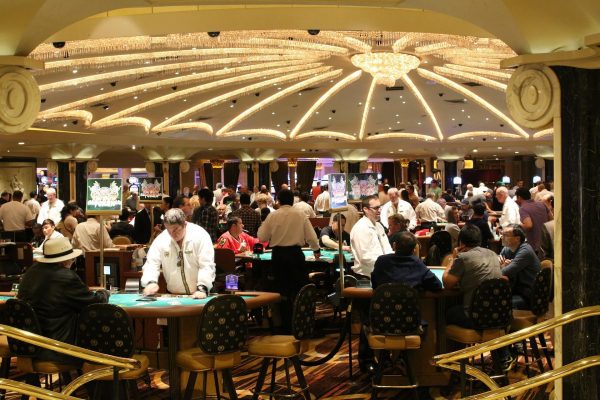
In multilingual live dealer studios, addressing the dealer by their local honorific—such as “Senhor” in Portuguese or “Monsieur” in French—immediately signals respect and cultural awareness. Avoid assuming English is preferred; a simple “Bom dia” or “Guten Tag” tailored to the studio’s region fosters immediate rapport. Observing turn-taking norms is equally critical: in some cultures, interrupting the dealer is considered rude, while in others, lively side chatter is welcomed. If unsure, mirror the dealer’s tone and pace.
How do I handle a dealer who speaks a language I don’t understand? Use universal polite gestures like a nod or smile, and keep bets simple. The dealer will appreciate your effort to respect their cultural flow.
Tipping Etiquette in Different Jurisdictions
Tipping etiquette in live dealer casinos varies significantly by jurisdiction, directly impacting rapport with the dealer. In the United States, tipping the dealer is expected and customary, often placed directly on the table for the dealer to collect, typically around 5-10% of a win. Conversely, in the United Kingdom, dealers are salaried and tipping is not required; offering a chip may be politely refused or pooled for staff. In Macau or Singapore, tipping is less common, though a small token after a winning hand is seen as polite, not mandatory. Adapting to local tipping norms prevents awkwardness and signals cultural awareness, fostering smoother interactions. Q: Should I tip a dealer in a jurisdiction where it is not customary? A: No, mimicking local practice avoids offending staff—observe or ask pit bosses discreetly.
Future Trends Shaping Interactive Table Games
Future trends are reshaping live dealer casino by merging physical and digital realities. Haptic feedback gloves will soon let players “feel” chips and cards remotely, while AI-driven dealers will adapt game pace to individual play styles. A key question emerges: How will augmented reality bridge the gap between home and casino floors? By overlaying digital stats and historical hand odds directly onto a physical table view, AR transforms every decision into a data-rich experience. Expect voice-activated betting and gesture controls to become standard, eliminating friction during play. These innovations ensure that interactive table games remain deeply engaging, not merely streamed, but truly immersive.
Augmented Reality Overlays for Enhanced Visuals
Augmented Reality overlays transform live dealer tables by projecting dynamic visual enhancements directly onto the felt. Players see real-time interactive card statistics superimposed beside physical chips, while 3D bet placement guides float above the layout. This technology overlays heat maps showing dealer patterns without obscuring the live video feed. Subtle AR indicators can highlight table history trends, enabling precise strategic adjustments without disrupting the organic game flow. The overlays remain interactive, allowing players to toggle between standard view and enhanced data layers with a tap.
Augmented Reality Overlays for Enhanced Visuals layer actionable data onto the live dealer environment, blending physical cards with digital analytics for a seamless, enriched gaming experience.
AI-Powered Dealer Training for Consistent Service
AI now personalizes dealer training by analyzing live gameplay to identify micro-mistakes in shuffling or payout speed. It then creates targeted drills for each dealer, so every hand feels polished. This isn’t about replacing human charm, but smoothing out awkward pauses that break player trust. The sequence works like this:
- AI records dealer gestures during a session.
- It compares those to a model of “perfect” service.
- It generates a short, specific practice module.
You get consistent, friendly interactions across all tables, without robotic uniformity.
Cryptocurrency Integration for Private Table Access
High-rollers gain instant, anonymous private table access by depositing cryptocurrency, bypassing traditional KYC delays for live dealer games. Smart contracts automatically lock a minimum balance in a player’s wallet, granting exclusive entry to a closed table without manual verification. Settlement occurs on-chain via stablecoins, eliminating currency conversion fees and reducing withdrawal wait from days to minutes. Bitcoin or Ethereum addresses serve as permanent player IDs, streamlining repeated access since the system recognizes the wallet’s prior qualification.
What Exactly Is a Live Dealer Experience?
How a Real Person Deals Cards in Real Time
The Technology That Streams the Action to Your Screen
Difference Between Automated Games and Human-Hosted Tables
How to Join and Play at a Live Table
Steps to Log In, Pick a Table, and Place Your First Bet
Understanding Table Limits and Minimum Stakes
How Chat Lets You Interact With the Dealer
Key Features That Make the Experience Feel Real
Multiple Camera Angles and Zoom Functions
Side Bets, Statistics, and Touchscreen Controls
Mobile Compatibility and Responsive Design
Benefits of Playing With a Live Host
Greater Trust From Seeing Real Cards and Wheels
Social Atmosphere Without Leaving Home
Access to Exclusive Game Variants Not Found in Standard Play
Tips for Choosing the Right Live Session
Matching Game Rules and Speed to Your Skill Level
Checking Stream Quality and Studio Reputation
Bankroll Management for Extended Play Sessions